Business Operations & Program Manager
Turning operational friction intostructured, high-impact programs.
Business Operations & Program Manager with 5 years of experience leading complex technology programs across R&D, IT, Security, and Finance. I specialize in AI tool rollouts, multi-million-dollar infrastructure modernization, and automated executive reporting.
©2026
/AI governance · Technical program delivery · Enterprise infrastructure
(01) About
Hey!
I work at the intersection of software, AI adoption, product delivery, and cross-functional operations.
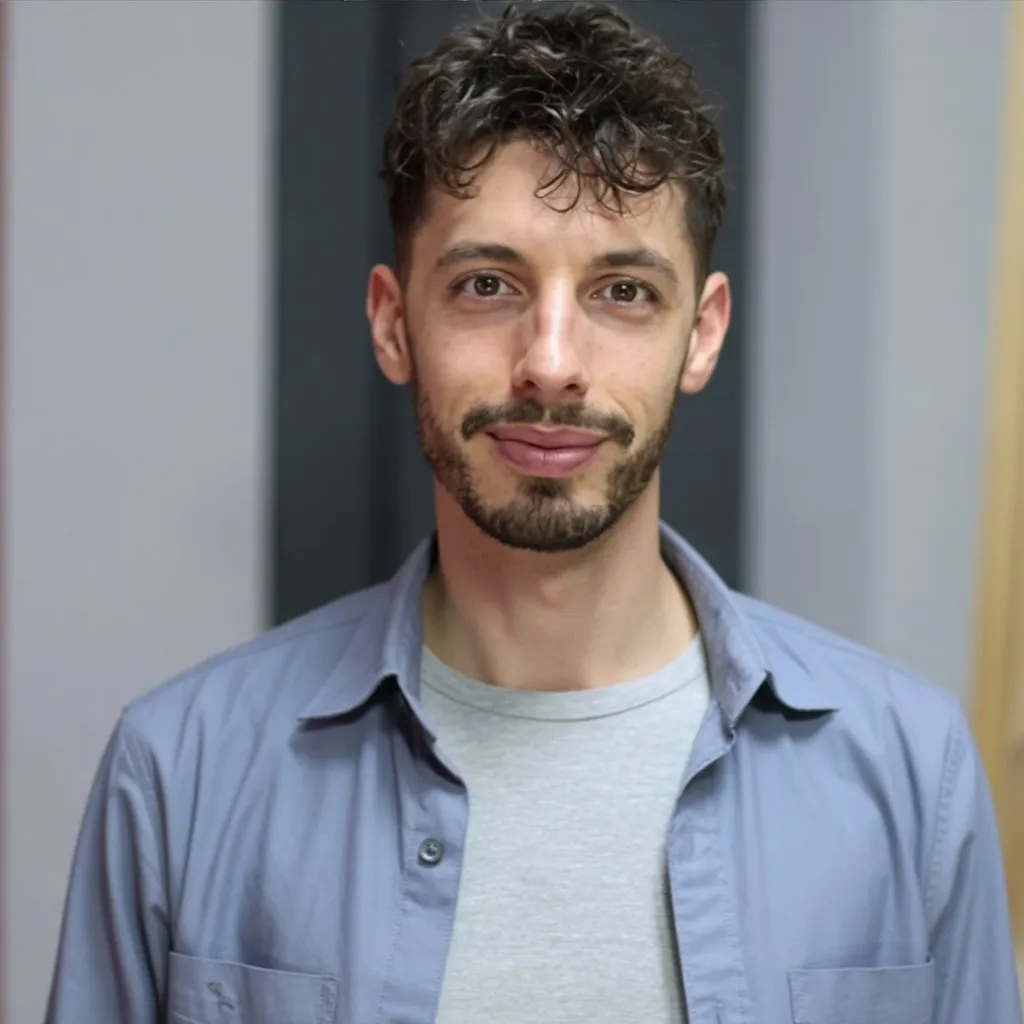
With a hands-on technical foundation and experience at Applied Materials, IBM, and Keshet Media Group, I take fragmented processes and align R&D, IT, Security, and Finance to a single cadence.
Results from recent roles
40+
AI workflows moved under IT/R&D security compliance
Keshet Media Group
7
Redundant tools cut through unified AI tool licensing
Keshet Media Group
900
Project boards archived or consolidated in a platform cleanup
Keshet Media Group
−30%
Compute cost after moving servers to a colocation site
Applied Materials
1,200+
Employee facility whose IT infrastructure was modernized
Applied Materials
0
User disruption across system migrations
IBM
Projects I’ve Built
Real organizational pain. Real solutions.
(02)
I sit between the people who build technology and the people who fund and depend on it. I turn requirements into plans, constraints into decisions, and status into foresight leadership can plan with.
Discipline
What I actually do
Program management and business operations for technology teams.
(03)
Cross-functional alignment
Get engineering, Finance, Security and leadership working to one plan.
Program delivery
Run technology programs end to end: scope, schedule, risks and launch.
AI governance
Turn ad-hoc AI use into secure, approved ways of working.
Budget and vendor management
Plan budgets, run procurement and cut spend on tools nobody uses.
Leadership reporting
Build live dashboards so leadership sees program health at a glance.
How I think
A few things I believe about product
(04)
01
Early product work should expose the riskiest assumption, not prove the easiest one.
Technical feasibility is almost never the assumption most likely to kill adoption. Whether the user who matters most actually has the problem you think they have usually is. I design the first weeks of any new product around stress-testing that assumption, not building the most demoable version.
02
Value isn’t complete until users can perceive it.
In complex categories like cybersecurity, AI and B2B platforms, a product can work perfectly and still feel like nothing is happening. The product job isn’t done until value is legible: visible enough to trust, specific enough to recommend, real enough to renew.
03
Design is upstream, not downstream.
The most important design decisions aren’t about color or polish. They’re structural: what appears first, what’s hidden, what’s the default, what the system implies about how users should behave. These choices shape behavior before anyone reads a single word, and they’re product strategy, not styling.
04
I’d rather build something a smaller group loves than something everyone tolerates.
In early products, love is a more reliable signal than completeness. It tells you whether you’ve found something worth scaling, or just something that technically works. Minimum lovable, not minimum viable.
Case studies
Selected work
(05)

Keshet Media Group
2026 / Case 01
Shadow AI Mitigation & Executive Steering Framework
Key impact: Established an executive AI steering committee alongside the CIO to transition 40+ unmonitored employee workflows into secure, compliant enterprise tools.
- AI Governance
- Security Boundaries
- SaaS License Optimization
Explore full case study
Applied Materials
2026 / Case 02
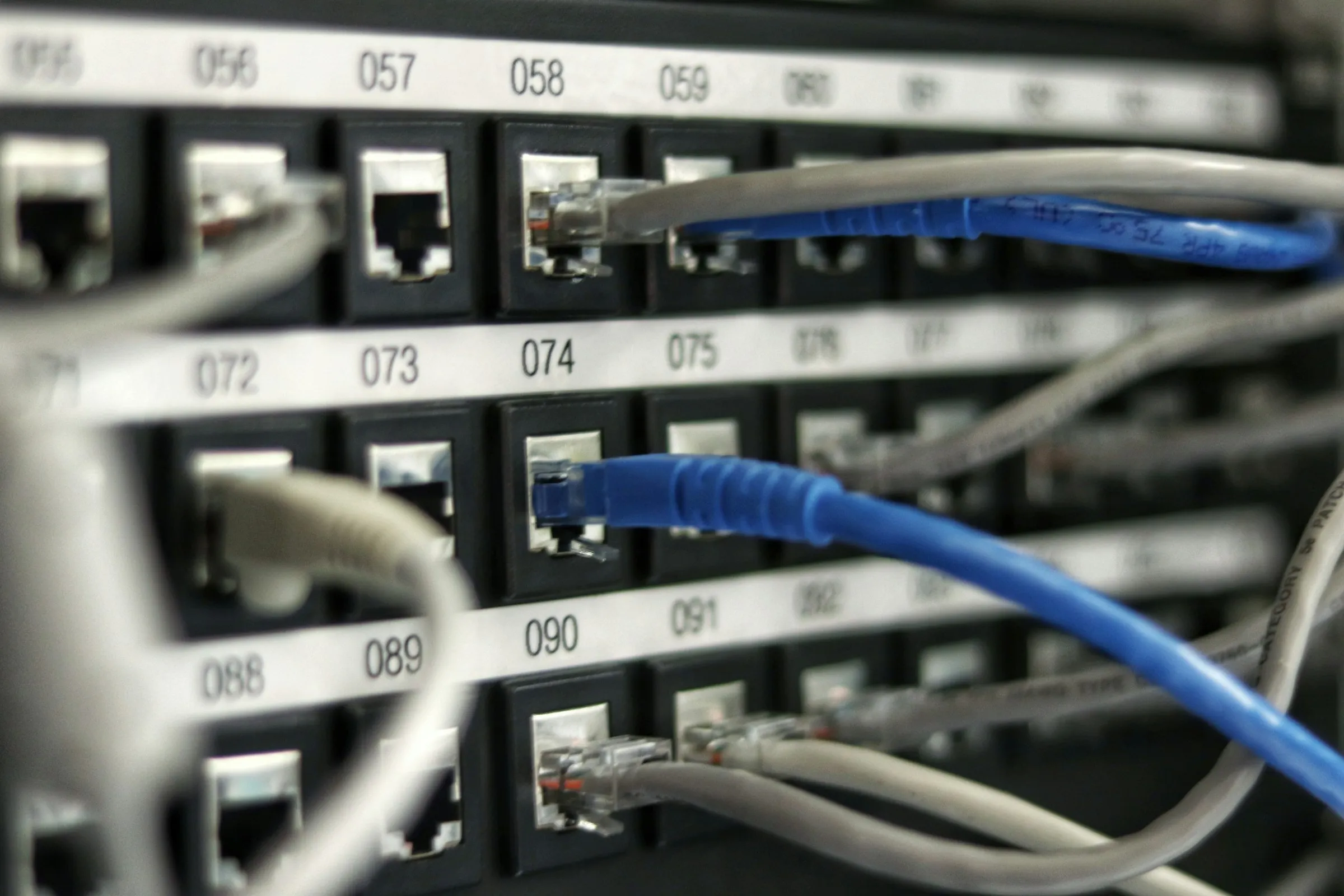
Multi-Year Infrastructure Modernization (1,200+ Employees)
Key impact: Managed the multi-year IT/R&D infrastructure portfolio for a 1,200+ employee facility, building automated SQL & Tableau dashboards for live C-suite visibility.
- CapEx/OpEx
- SQL & Tableau Telemetry
Explore full case study
IBM
2023 / Case 03
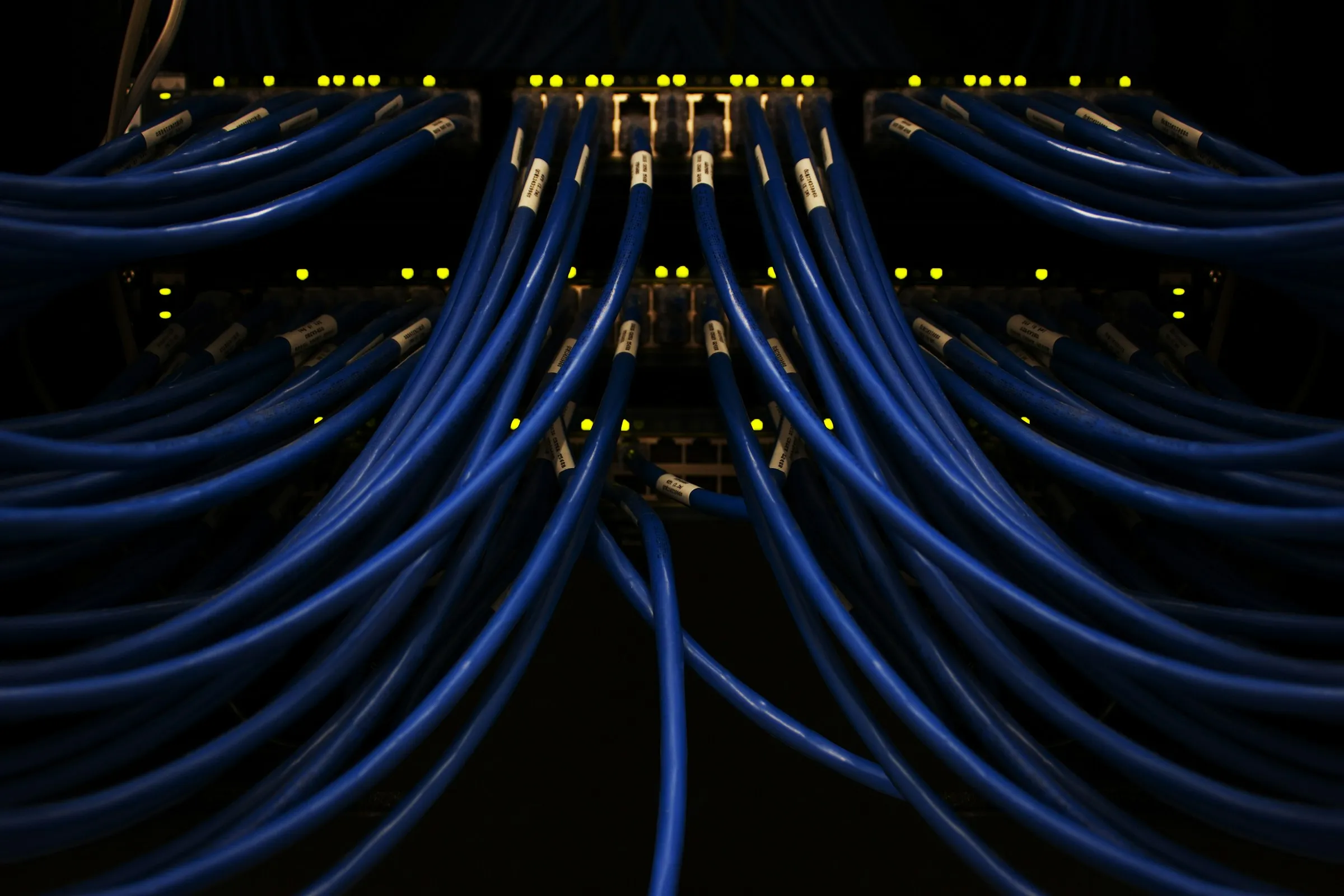
Multi-System Migration & Zero-Downtime Hypercare
Key impact: Led cross-system migrations and disaster-recovery initiatives with hands-on UAT ownership, achieving zero operational downtime for end users.
- UAT & Hypercare
- Disaster Recovery
Explore full case study
Writing
Notes from the field
(06)
Sep 2026 • AI product
The AI Integration Trap: Why More Automation Doesn't Mean Better Products
Most AI features don't fail because of the model. They fail because they take the wrong amount of control. A 1978 framework for choosing how much autonomy AI should have.
Read
Sep 2026 • AI practice
How to Avoid Slop (Content, Visual, Ideation), and Why You Need to Ask the LLM to Argue With You
Why default AI output trends toward generic, agreeable slop, and the technique (asking the model to argue against you) that fixes it.
Read
7 articles
All posts